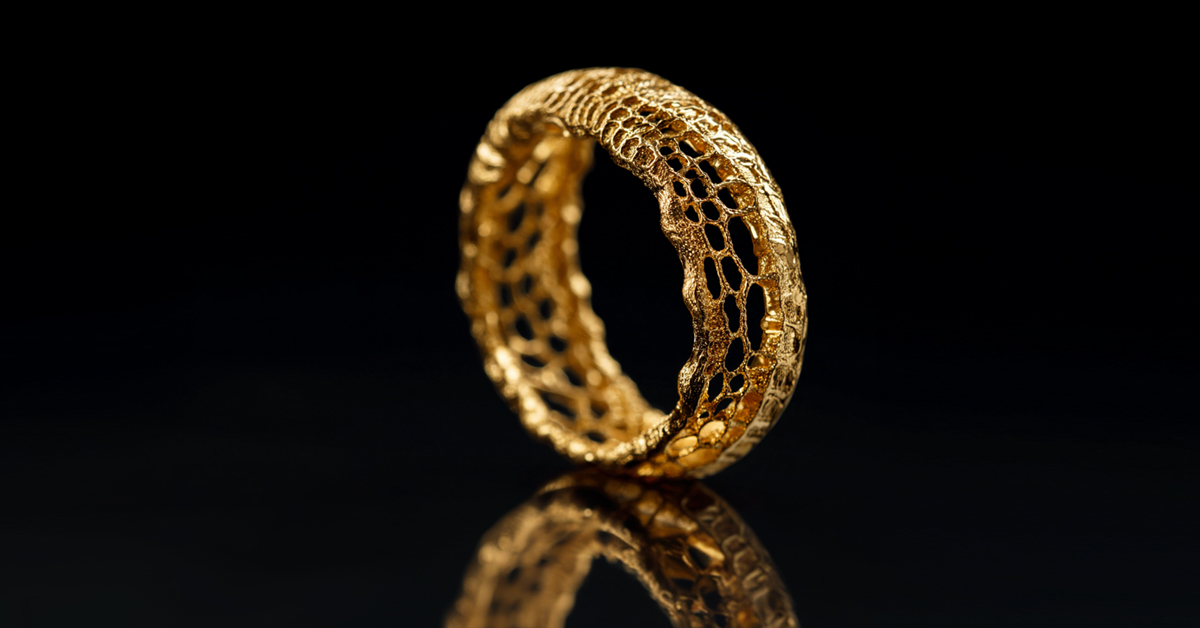
In a world where almost everything is going digital, it’s no surprise that even jewelry has joined the 3D revolution. Forget what you thought you knew about traditional goldsmiths hammering away at metals in small workshops. Today, 3D printers are helping designers create stunning, intricate pieces that would be almost impossible to craft by hand. But is this tech really as magical as it sounds? Let’s break it down.
Can нou print jewelry on a 3D printer?
Absolutely, yes. 3D printed jewelry isn’t science fiction anymore—it’s real, and it’s here. Using advanced 3D printers, designers and jewelers can create detailed prototypes and final products with incredible precision. The process usually starts with a digital design, often made using CAD (computer-aided design) software. This design is then sent to a 3D printer, which builds the piece layer by layer.
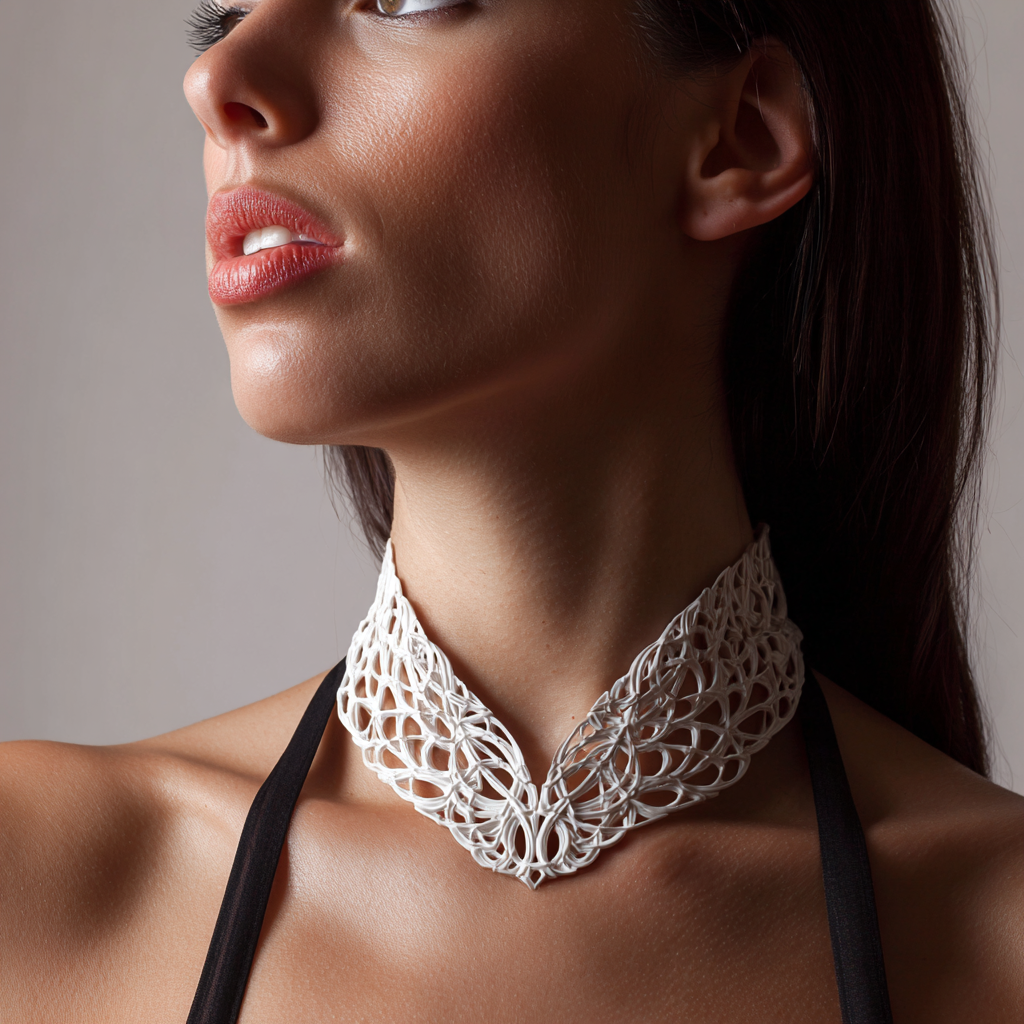
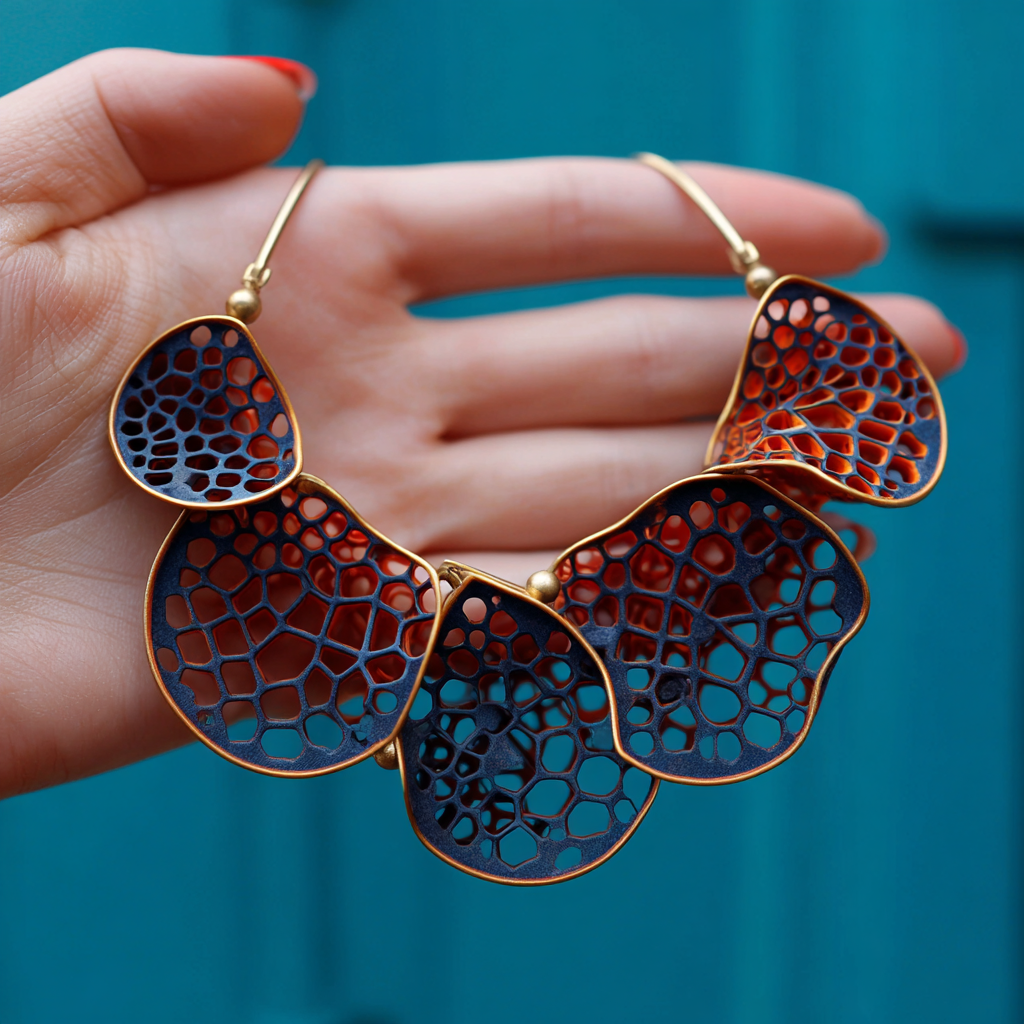
There are a few different methods, but one popular technique is lost-wax casting. First, a wax model is 3D printed. This model is then encased in a plaster mold and melted away, leaving a cavity that is filled with molten metal. Voila! You have a stunning piece of jewelry.
What materials can you use? Can you print gold or silver?
Here’s where it gets really interesting. You can 3D print with a variety of materials, from plastics and resins to precious metals. For fashion jewelry, designers often use nylon, resin, or even steel to create bold, funky designs that push the boundaries of conventional style. These materials are lightweight, affordable, and can be dyed or painted in countless colors.
For more upscale pieces, materials like brass, bronze, and titanium are commonly used. These metals can be printed directly using specialized 3D printers that operate at extremely high temperatures. They offer a robust, long-lasting finish and allow for high levels of detail in the design.
And yes, you absolutely can work with gold, silver, and even platinum. However, it’s not as straightforward as printing them directly in the printer. Instead, a wax or resin model of the jewelry is first printed, and then used in the lost-wax casting process. The wax model is covered in a ceramic or plaster mold, and the wax is melted away. Molten gold or silver is then poured into the cavity. Once cooled, the piece is cleaned, polished, and ready to wear.
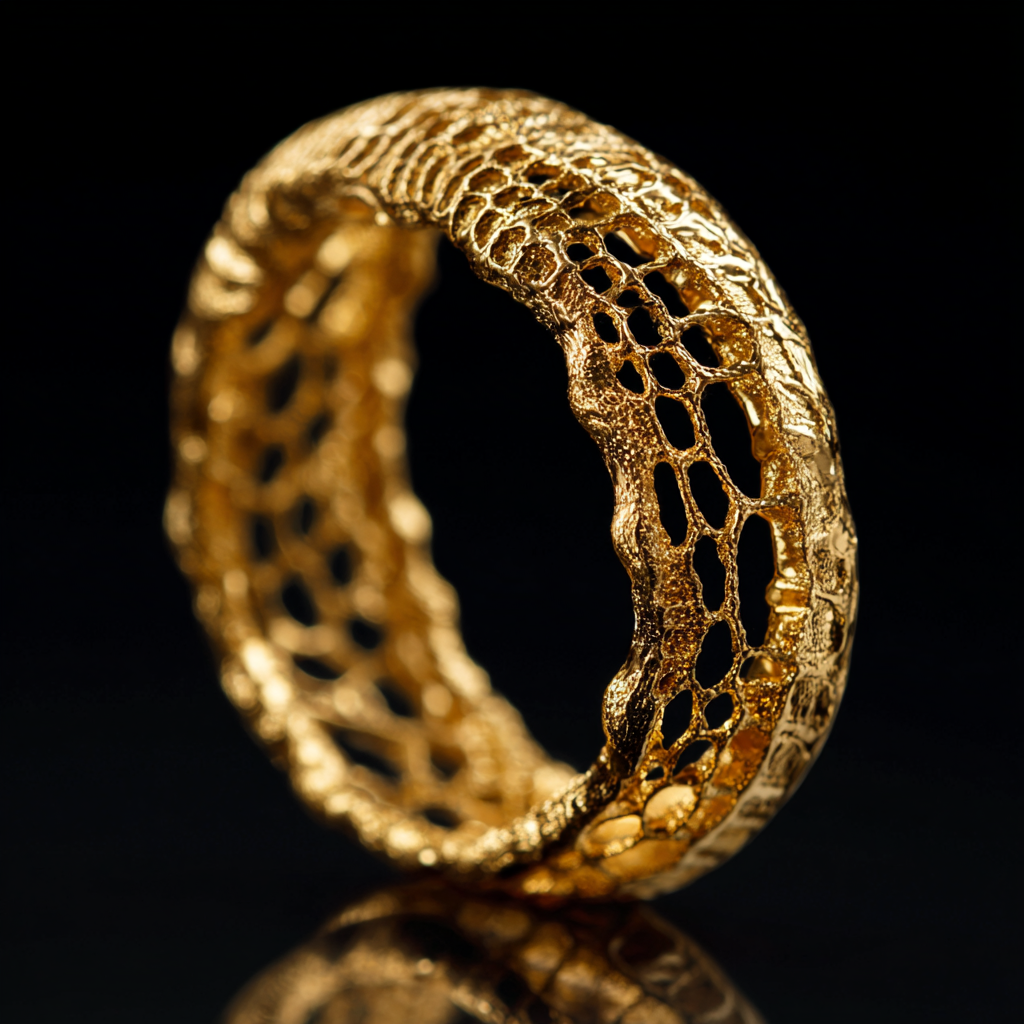
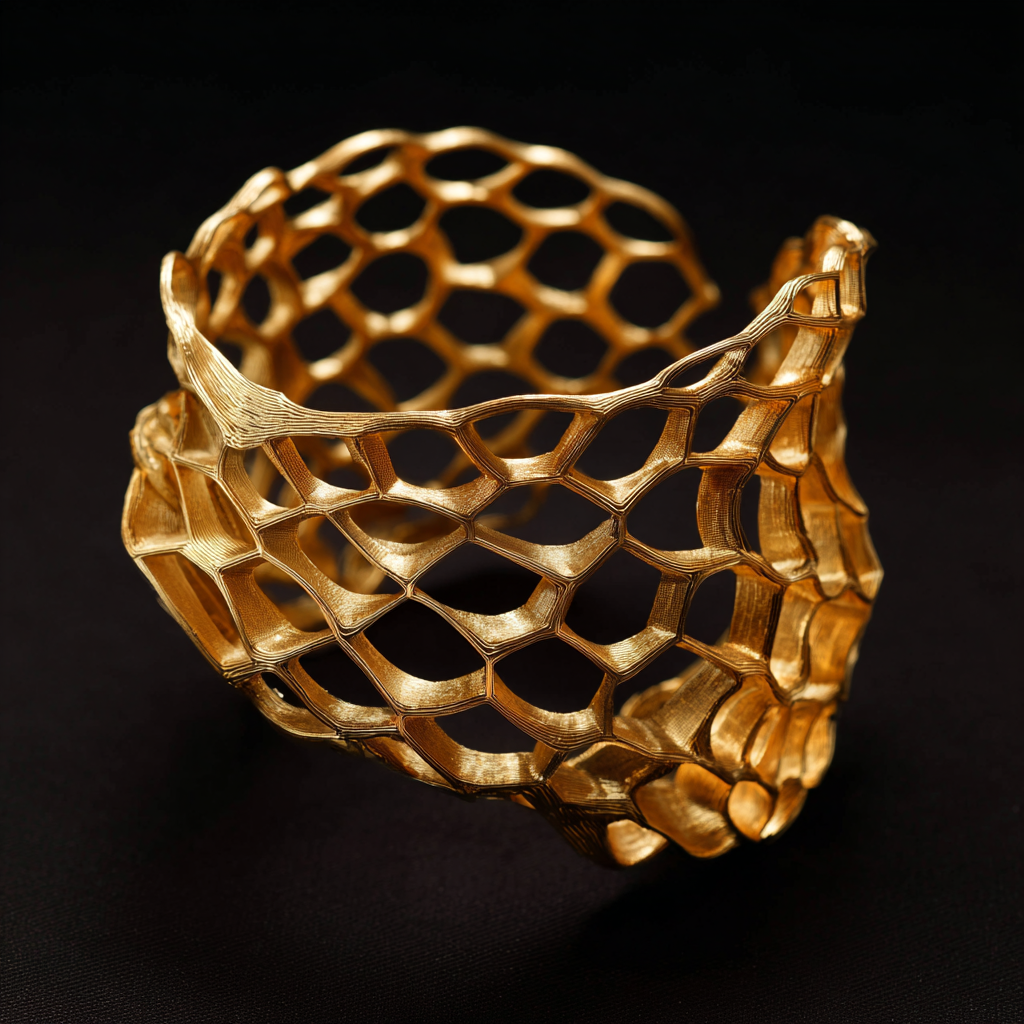
Some advanced metal 3D printers can even print using powdered forms of precious metals through a process called direct metal laser sintering (DMLS). This technique is gaining traction for its precision and potential to produce high-end, complex pieces directly from metal powders.
Can you add gemstones to 3D-printed jewelry?
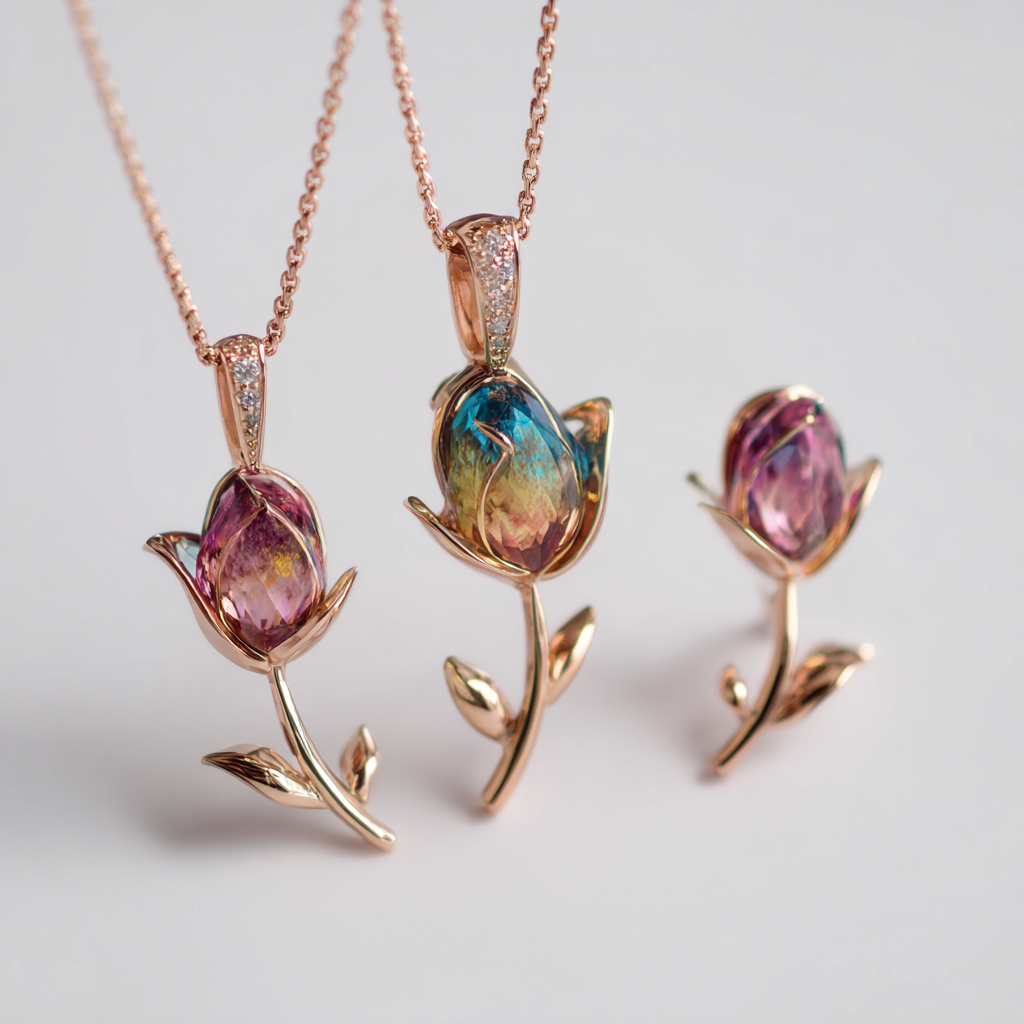
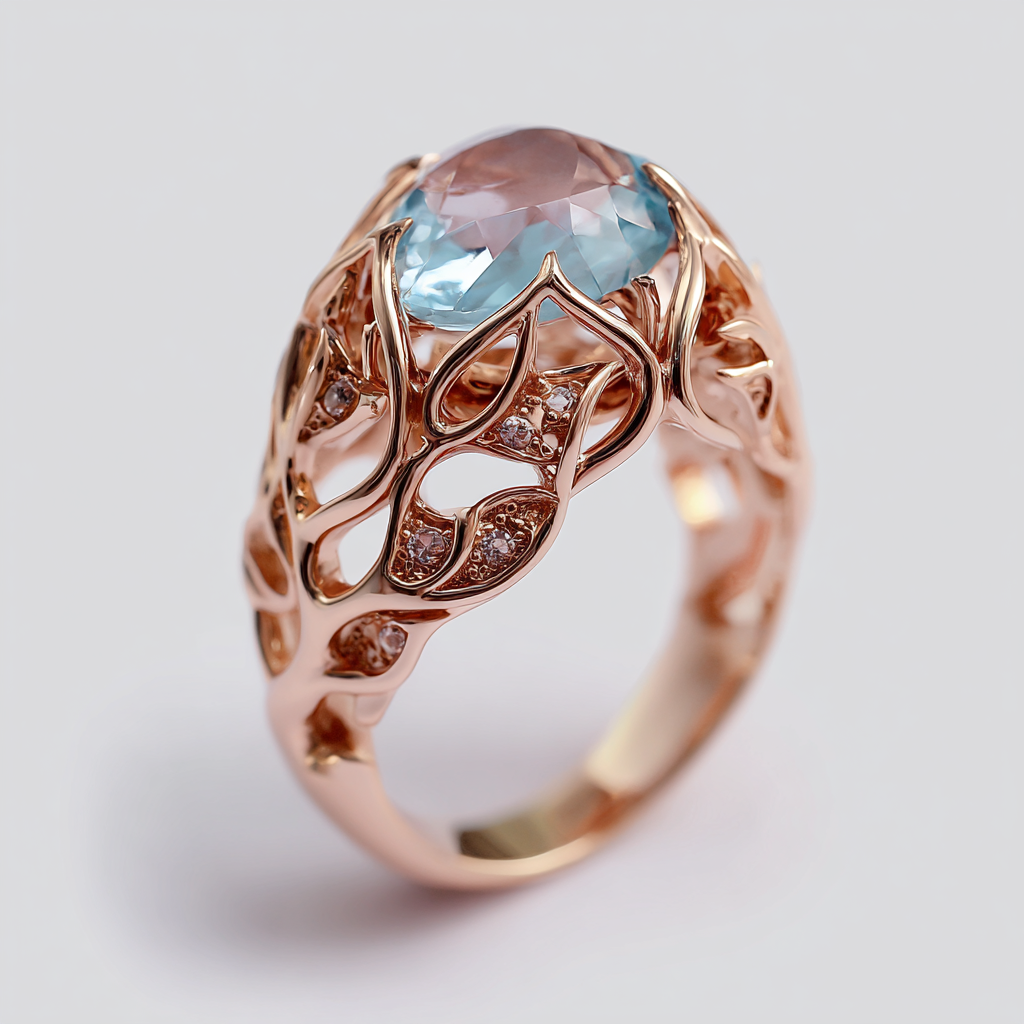
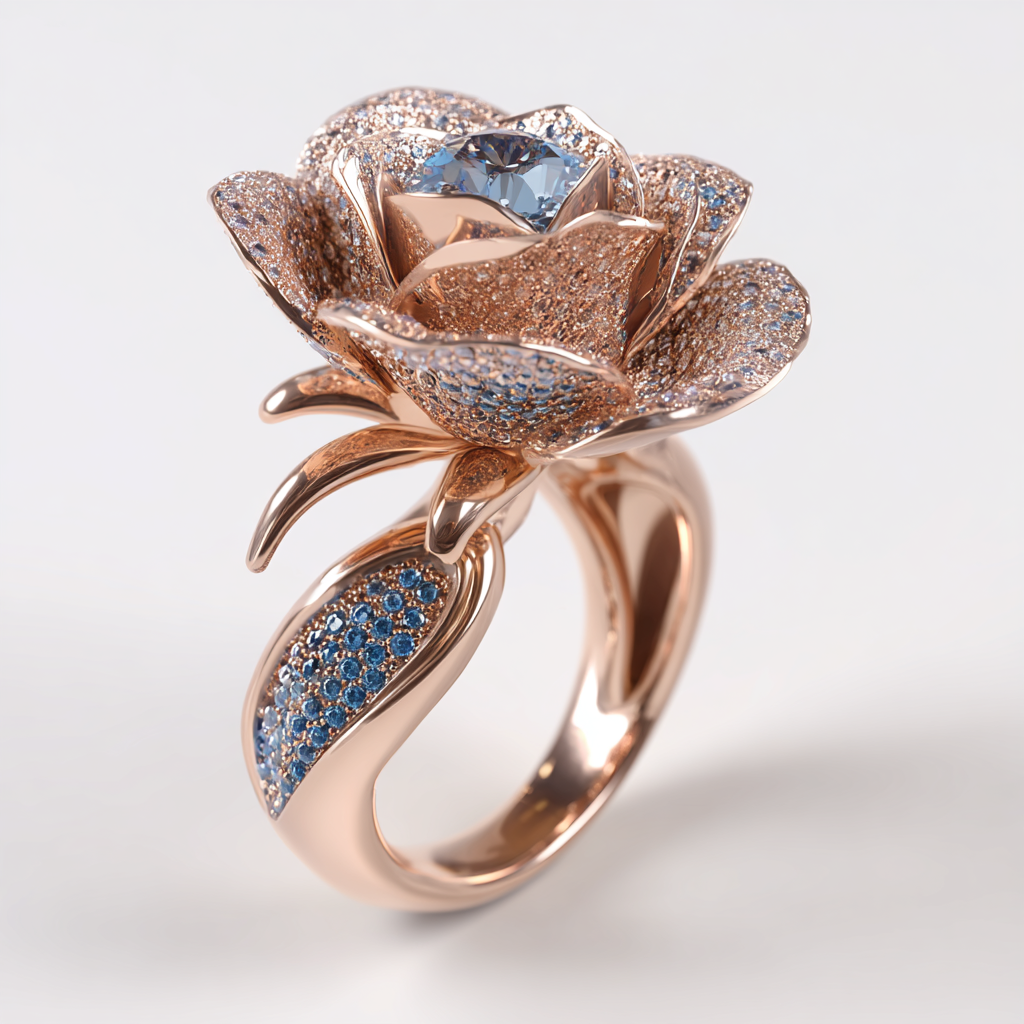
While the actual 3D printer doesn’t place the gemstones for you, the design can include precise settings and mountings where gems will be added later. This allows for highly detailed customization, where stones can be perfectly integrated into the piece after printing.
Some advanced designs even plan for the gemstone from the very beginning, allowing the setting to be printed around the gem, especially when using certain types of resin. This kind of precision opens up a world of creative possibilities that would be extremely challenging with traditional methods.
Is it worth buying 3D-printed jewelry?
That depends on what you’re looking for. If you value originality, customization, and futuristic design, 3D printed jewelry is definitely worth considering. Since it’s easier to tweak and experiment with digital designs, you can often find truly unique pieces that don’t exist anywhere else.
Moreover, the process can be more cost-effective. It eliminates many of the manual steps required in traditional jewelry-making, which can bring down the price—though this varies depending on materials and complexity.
Also, for those who care about sustainability, 3D printing often produces less waste compared to traditional crafting methods.
Is 3D-printed jewelry popular?
Yes, and it’s growing fast. Major designers and brands are embracing 3D printing, and many independent creators are making waves with their own collections. From avant-garde runway pieces to affordable everyday accessories, 3D printed jewelry is popping up everywhere.
According to Grand View Research, the global 3D‑printed jewelry market was US $841.7 million in 2023, and it’s projected to skyrocket to US $2,970.6 million by 2030—that’s a CAGR of ≈19.9%.
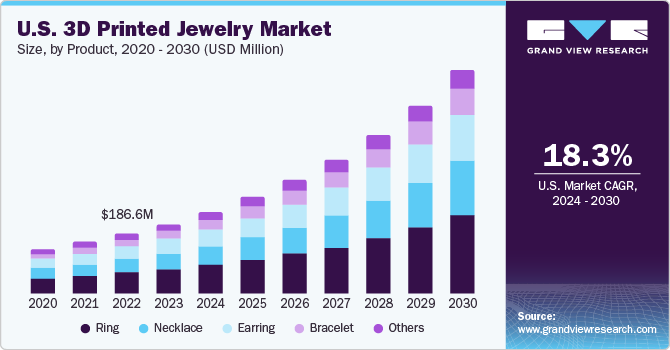
Online platforms like Etsy, Shapeways, and even some mainstream retailers now offer a wide selection of 3D printed jewelry. Plus, with the rise of customization, more consumers are jumping on board.
The technology is also empowering a new generation of artists and makers who might not have access to traditional jewelry-making tools. All they need is a computer and access to a printer or a service bureau.
Is it better than traditional jewelry?
This is the million-dollar question, and the answer isn’t so simple. 3D printed jewelry isn’t necessarily “better,” but it is different. It offers advantages in terms of design flexibility, speed, and innovation. Complex geometries that would be nearly impossible to handcraft are now achievable. That means more creativity, more experimentation, and more personal expression.
However, traditional jewelry still holds immense value—especially when it comes to craftsmanship, history, and certain types of heirloom pieces. There’s something timeless about a ring that’s been made by hand, with all its tiny imperfections and human touches.
In the end, it’s not about replacing traditional methods, but expanding the toolbox. Many jewelers now use both techniques side by side to get the best of both worlds.
Final thoughts
3D printed jewelry is not just a trend; it’s a technological evolution that’s changing the way we think about design, creativity, and personal adornment. Whether you’re a fashion-forward shopper, an eco-conscious consumer, or just someone who loves cool, innovative things, 3D printed jewelry has something to offer.
So next time you’re shopping for a necklace or a pair of earrings, don’t be surprised if the piece you fall in love with came out of a printer. The future of jewelry is already here, and it’s looking pretty fabulous.