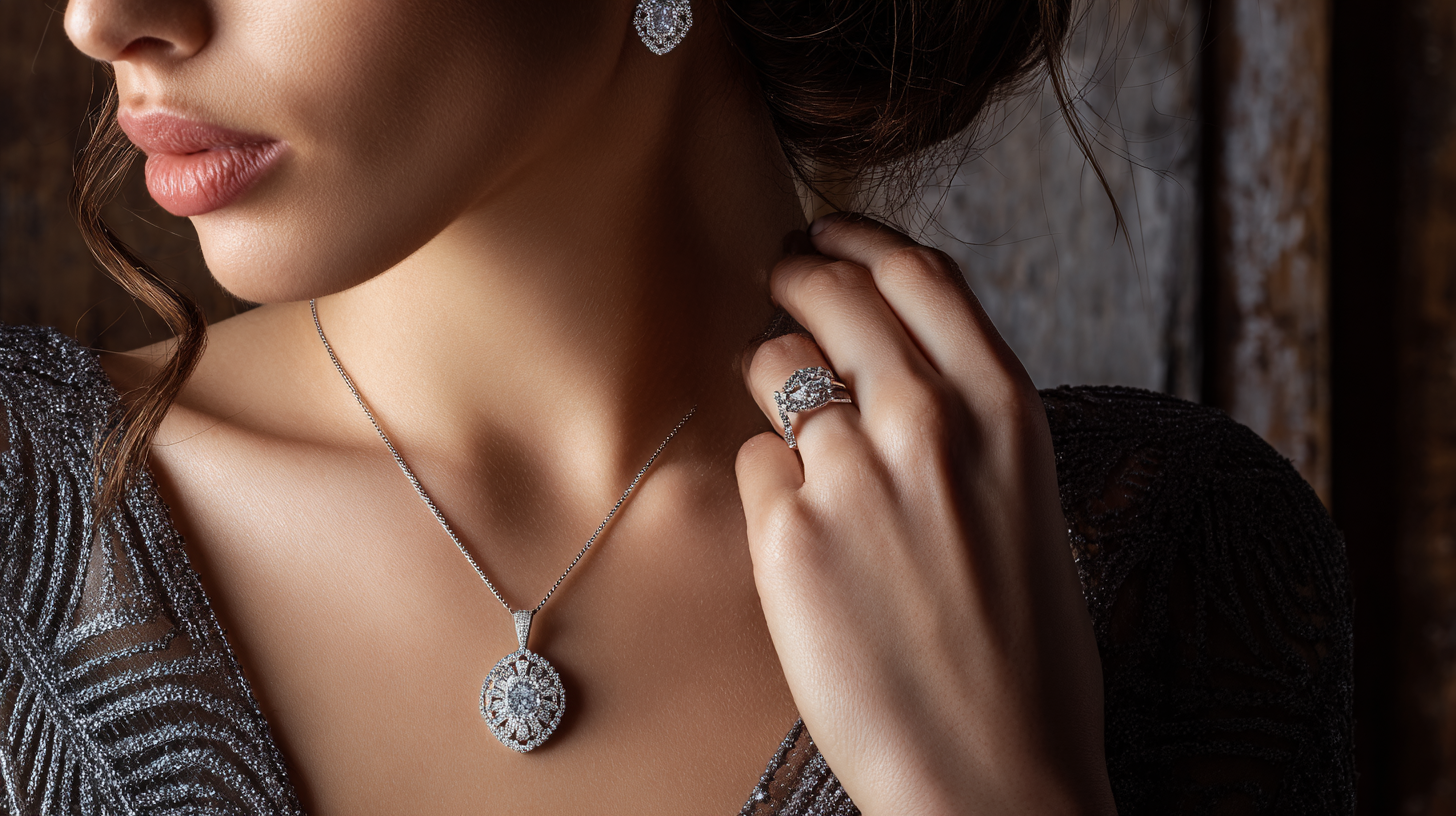
In a world where conscious consumerism is on the rise, ethical jewelry is more than just a buzzword—it’s a movement. Whether you’re shopping for a wedding ring, a statement necklace, or just a little sparkle to brighten your day, knowing the origin and impact of your jewelry can make a real difference.
Ethical jewelry blends beauty with responsibility. But what exactly does it mean? How does it stand apart from traditional jewelry? Is it really more expensive? And who’s doing it right? Let’s dig deep into the world of ethical jewelry, why it matters, and how you can make informed choices that reflect both your values and your style.
What Is Ethical Jewelry?
Ethical jewelry refers to pieces that are made with a clear focus on fair labor practices, environmentally sustainable sourcing, and transparent supply chains. It’s jewelry that looks good and does good—crafted without exploitation, environmental harm, or murky origins.
Key features of ethical jewelry often include:
-
Fair labor: Ethical jewelers ensure their workers—whether miners, artisans, or factory staff—are paid fairly, treated with respect, and operate in safe conditions.
-
Conflict-free sourcing: Ethical jewelry avoids materials (especially diamonds and gold) that fund armed conflict or come from war zones.
-
Eco-conscious practices: Sustainable mining, recycled metals, lab-grown gems, and minimal packaging are all signs of environmentally friendly production.
-
Transparency: Brands that offer traceability—from mine to market—are typically more ethical, allowing you to see where and how your jewelry was made.
The goal is to create jewelry that doesn’t compromise people or the planet.
How Is Ethical Jewelry Different From Traditional Jewelry?
At first glance, ethical and traditional jewelry may look the same. But their paths to your jewelry box are often worlds apart.
a. Sourcing of materials
Traditional jewelry often relies on mined metals and gemstones that come from sources with little transparency. Many of these materials are extracted in ways that damage ecosystems or violate human rights. Conflict diamonds—also known as “blood diamonds”—and gold obtained through child labor or unsafe working conditions are examples.
In contrast, ethical jewelers go out of their way to ensure that the metals and gems are responsibly sourced. That might mean using:
-
Recycled gold or silver, which reduces the demand for new mining.
-
Lab-grown diamonds or gemstones, which are chemically identical to mined ones but come without the ethical baggage.
-
Fairmined or Fairtrade-certified metals, which guarantee that miners are treated fairly and the environment is protected.
b. Labor conditions
Unfortunately, the traditional jewelry industry has long been linked with exploitative labor. In some mining communities, workers—sometimes even children—endure long hours, unsafe conditions, and poor pay.
Ethical jewelry companies ensure that everyone involved in the production chain is treated humanely and paid fairly. They often partner directly with artisan communities or operate under certifications like Fairtrade or the Responsible Jewellery Council (RJC).
c. Environmental impact
Mining can cause deforestation, water pollution, and massive carbon emissions. Traditional mining practices often prioritize profit over environmental responsibility.
Ethical jewelers prioritize environmental stewardship. They might use:
-
Recycled metals to avoid further mining.
-
Waterless or chemical-free production methods.
-
Carbon-offset shipping or plastic-free packaging.
d. Transparency
Many traditional brands don’t disclose where their gems or metals come from. Ethical brands often provide full traceability—telling you where the stone was mined, who cut it, and how it reached your hand.
Is ethical jewelry more expensive than traditional?
This is one of the most common questions, and the answer isn’t black and white.
Yes, sometimes it is.
Ethical jewelry can be more expensive than traditional pieces because:
-
Fair labor and safe working conditions cost more than exploitative ones.
-
Sustainable materials, like Fairmined gold or lab-created gems, can carry a premium.
-
Small-batch or handmade pieces take more time and care to produce.
-
Transparency and traceability add administrative costs.
Think of it this way: you’re paying a premium not for a “label,” but for a better system—one that respects people and the planet.
But not always.
On the flip side, ethical jewelry can also be cost-effective. Many ethical brands operate online, avoiding the markups of traditional retailers. Others use lab-grown diamonds or recycled materials, which are often cheaper than mined equivalents.
Plus, when you consider the hidden costs of traditional jewelry—like environmental damage or human rights abuses—ethical jewelry becomes not only a moral investment but a long-term one.
Which famous brands offer ethical jewelry?
While not every major brand is fully ethical, a growing number of jewelry companies are making ethics a cornerstone of their business. Here are some well-known and respected names in the ethical jewelry world:
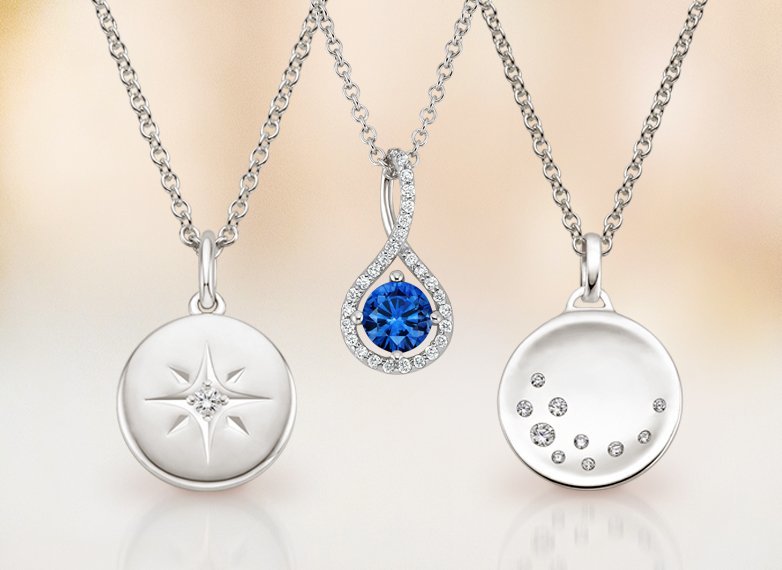
1. Brilliant Earth
Possibly the most recognized name in ethical jewelry, Brilliant Earth is known for its commitment to conflict-free diamonds, recycled precious metals, and lab-grown gems. They offer detailed origin information and even blockchain-tracked diamonds. Based in the US, they’ve helped bring ethical jewelry into the mainstream.
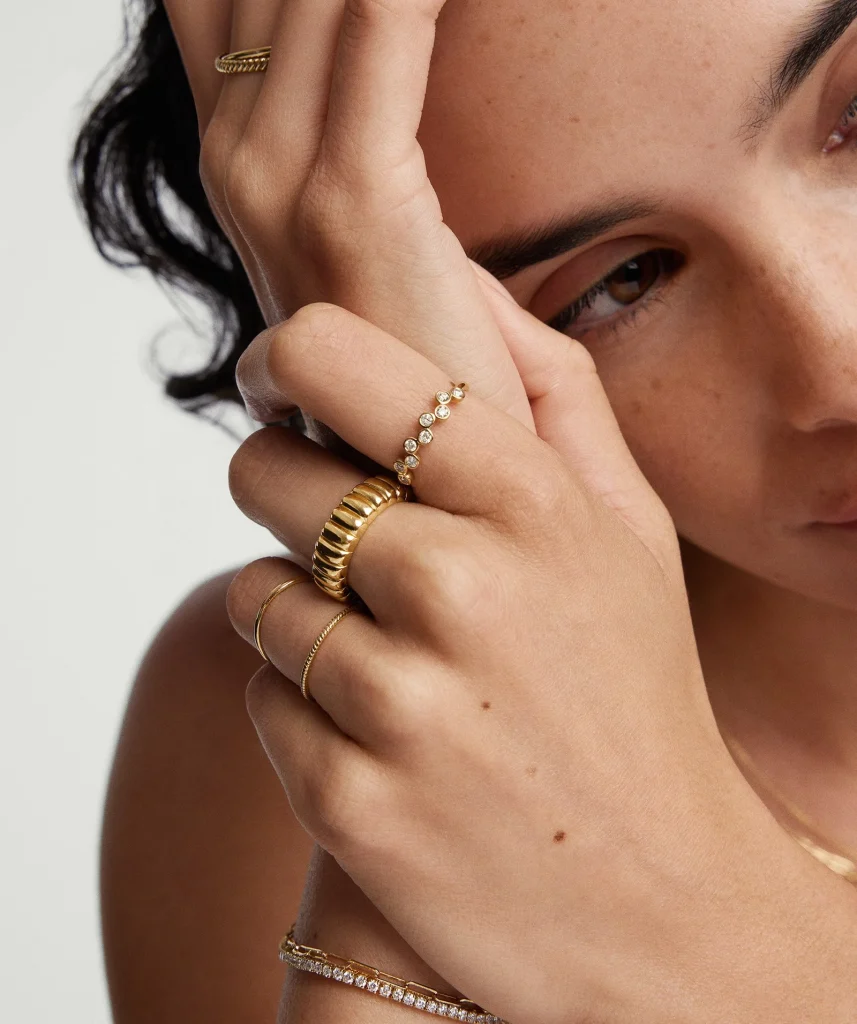
2. Mejuri
Mejuri is a modern, direct-to-consumer brand that uses recycled gold and partners with responsible suppliers. While not all of their materials are fully traceable yet, they are transparent about their efforts and progress, making them a good choice for ethical-minded shoppers.
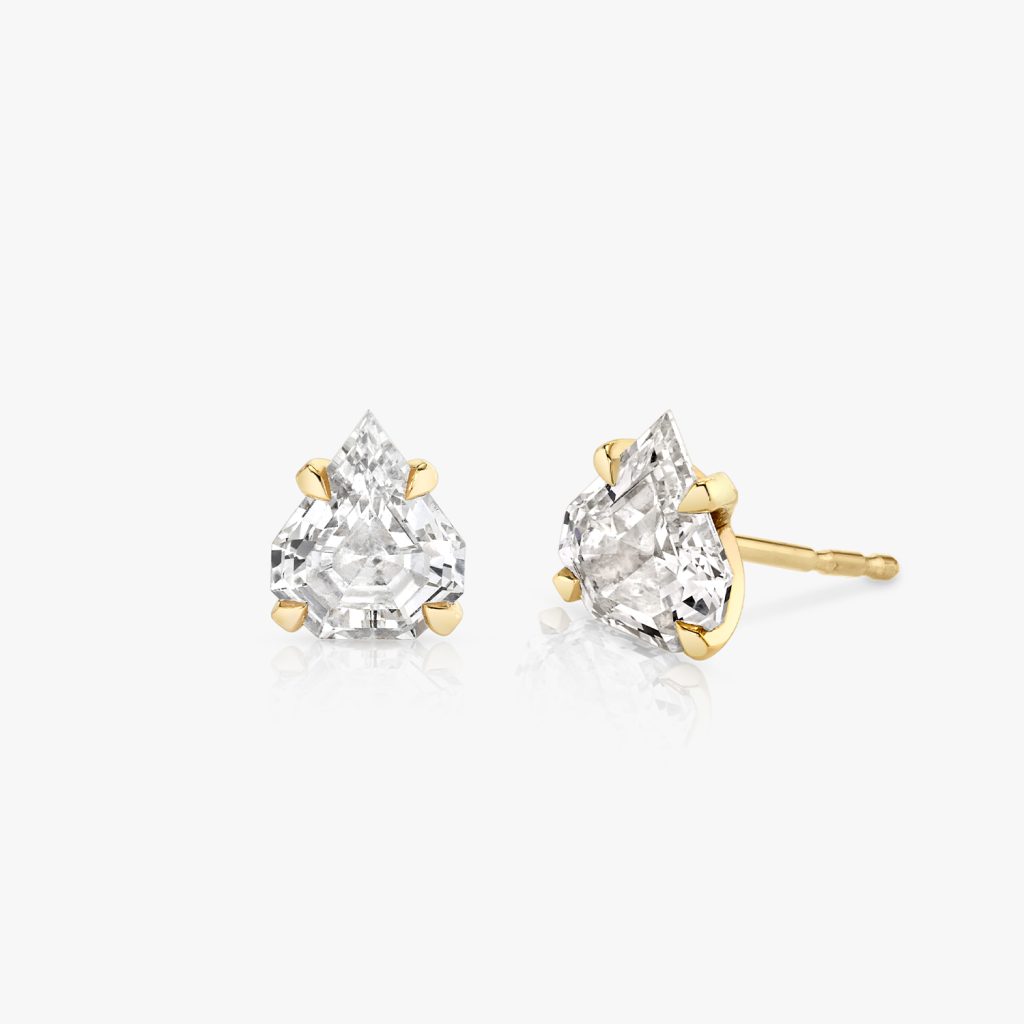
3. Vrai
Vrai creates luxury jewelry exclusively using lab-grown diamonds and recycled gold. Their diamonds are grown in the US with renewable energy, and their designs are sleek, elegant, and ethically sound.
4. Catbird
Based in Brooklyn, Catbird focuses on handmade pieces created from recycled gold and conflict-free stones. They are a certified B Corp and have strong commitments to social and environmental responsibility.
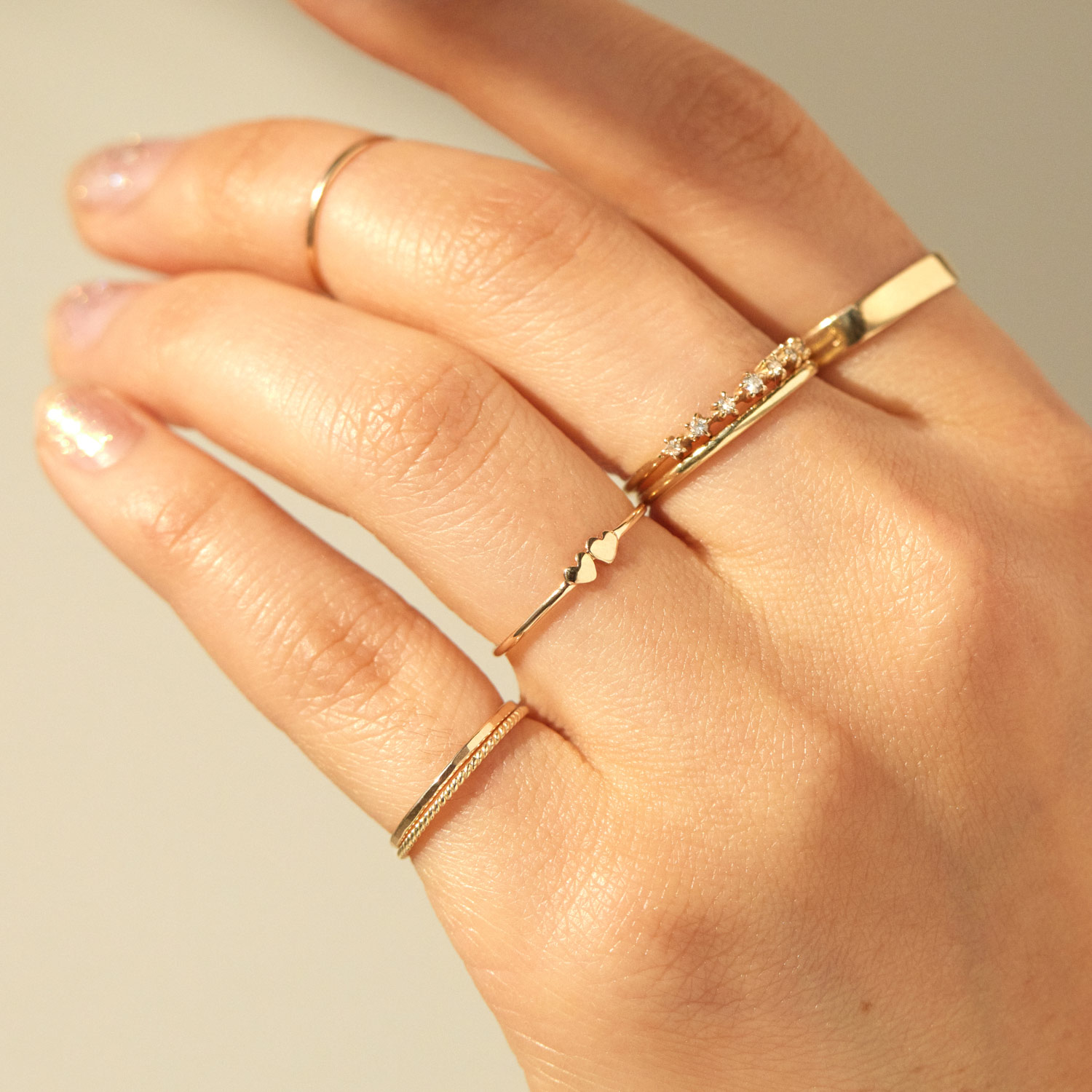
5. SOKO
A beautiful example of ethical and artisan-focused jewelry, SOKO works with small-scale artisan communities in Kenya. Their tech-enabled supply chain empowers local makers and ensures fair wages, while their designs combine modern aesthetics with traditional craftsmanship.
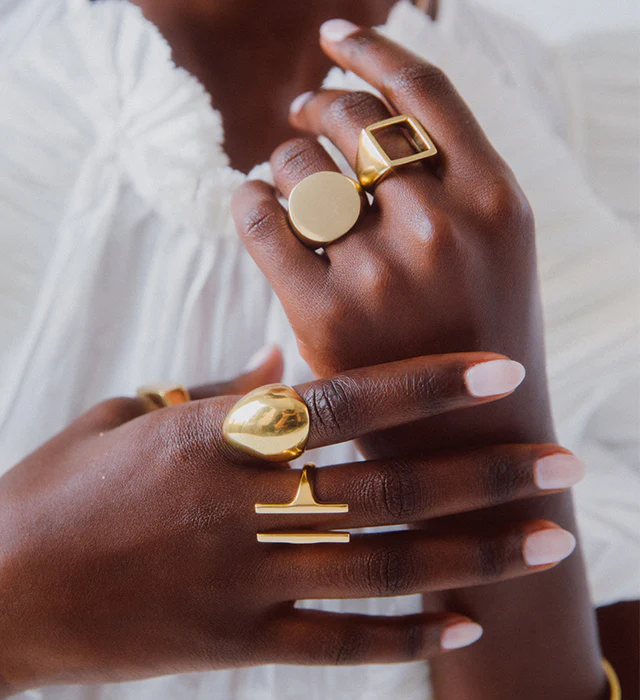
6. AUrate New York
AUrate blends luxury design with ethical sourcing. They use recycled gold and offer full transparency about where their materials come from. AUrate is also known for its “A Book for Your Look” program, where a book is donated to a child in need with every purchase.
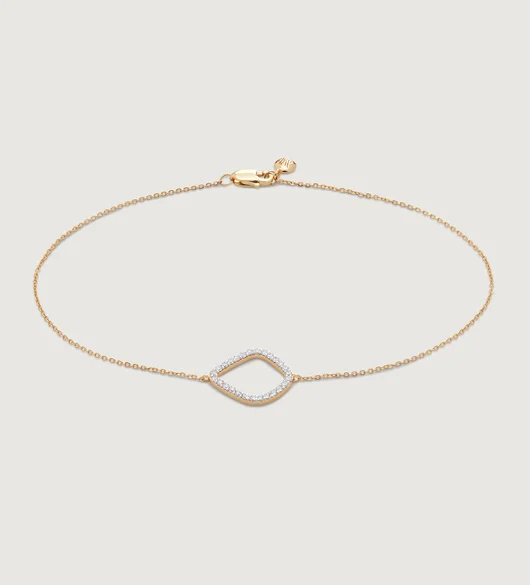
7. Monica Vinader
A UK-based brand with a global reach, Monica Vinader uses 100% recycled gold and silver and is committed to responsible sourcing. Their jewelry is chic, wearable, and increasingly focused on sustainability.
What About Legacy Brands?
Major luxury brands like Tiffany & Co. have taken steps toward ethical practices, including publishing sustainability reports and sourcing diamonds responsibly. However, many still lack the full transparency or certifications that define truly ethical brands.
Summary: why ethical jewelry matters
Ethical jewelry isn’t just a fashion statement—it’s a reflection of your values. It represents a shift from fast fashion and exploitation toward something more meaningful: beauty without harm.
Let’s recap the key points:
-
Ethical jewelry ensures fair labor, sustainable sourcing, and transparency.
-
It differs from traditional jewelry through better practices in labor, environmental impact, and traceability.
-
While it may cost more in some cases, it often offers better long-term value and peace of mind.
-
Brands like Brilliant Earth, Vrai, Mejuri, Catbird, and SOKO are leading the charge, showing that ethics and aesthetics can go hand in hand.
As consumers, we hold power in our wallets. Every purchase is a vote for the kind of world we want. Choosing ethical jewelry means saying yes to sustainability, fairness, and responsibility, without sacrificing style or beauty.
So next time you shop for that perfect ring, necklace, or bracelet, ask: Where did this come from? Who made it? What impact does it have?
Because jewelry should shine, not just in your hand, but in the world around you.
Leave a Reply