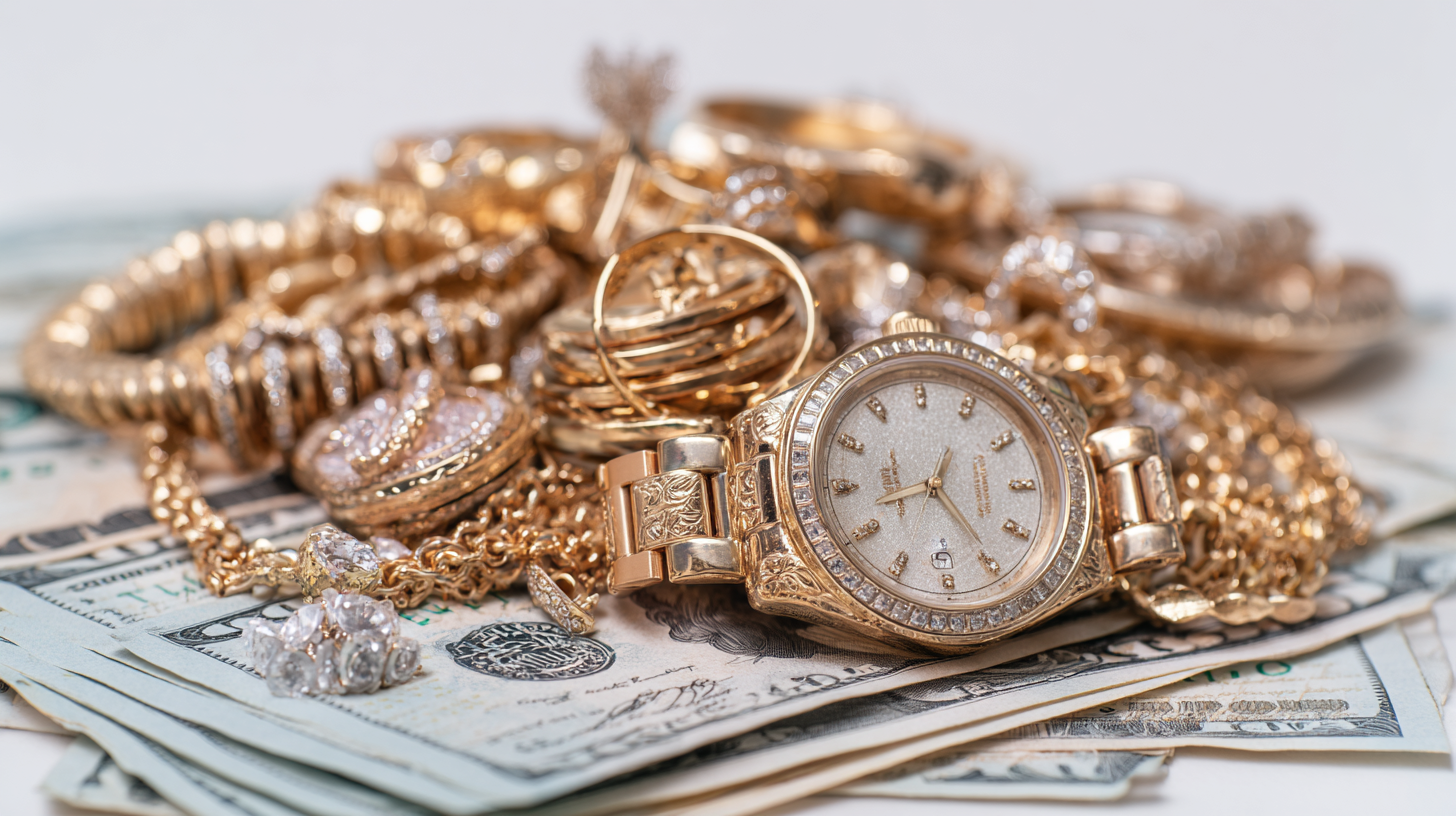
When we hear the word “investment,” the first things that typically come to mind are real estate, stocks, and, more recently, cryptocurrency. However, an often-overlooked yet time-tested asset class is investment jewelry. Not only does it offer the potential for value appreciation, but it also carries cultural, emotional, and aesthetic value that few other investments can match.
In this comprehensive guide, we’ll explore what investment really means, what types of jewelry qualify as good investments, why this form of asset is worth considering, how it stacks up against other investment types, and what it takes to get started.
What does “Investment” really mean?
Investment, at its core, refers to the allocation of resources – usually money—with the expectation of generating a profit or benefit over time. A good investment typically grows in value, provides returns (either through resale or income), and ideally comes with manageable risk.
With investment jewelry, the asset is tangible. You can wear it, display it, and pass it on. But more importantly, its value is rooted in market fundamentals such as the rarity of materials, craftsmanship, and brand prestige.
What kinds of jewelry are good for investment?
Not all jewelry qualifies as a sound investment. Fashion jewelry or pieces made with non-precious materials, no matter how trendy, are generally not suitable for investment purposes. Here are the main types of jewelry that hold or increase in value over time:
- High-quality diamonds: Look for stones with excellent cut, color, clarity, and carat weight (the “4 Cs”). Certified diamonds, especially those from prestigious institutions like GIA, are more likely to retain value.
- Precious gemstones: Natural sapphires, emeralds, and rubies of high quality and origin can appreciate over time. Burmese rubies and Kashmir sapphires, for instance, are known for their investment potential.
- Gold and platinum pieces: Solid gold or platinum jewelry often increases in value in line with market prices for these metals. Vintage gold jewelry, in particular, can be quite lucrative.
- Signed and branded jewelry: Pieces from iconic brands like Cartier, Van Cleef & Arpels, Bulgari, and Tiffany & Co. tend to hold or even gain value, especially limited editions or discontinued collections.
- Antique and vintage jewelry: Unique, well-preserved antique items with historical significance or rare craftsmanship can be incredibly valuable.
Why invest in jewelry?
The motivations behind investing in jewelry go beyond financial gain. Here are some compelling reasons:
- Tangible asset: Unlike stocks or crypto, jewelry is a physical item you can hold, wear, and enjoy.
- Hedge against inflation: Precious metals and gemstones often hold their value or even increase during times of inflation or economic uncertainty.
- Cultural and emotional value: Jewelry can serve dual purposes as both an investment and a family heirloom.
- Portability: It’s easier to transport or store a few high-value pieces of jewelry than, say, a property or a safe full of cash.
- Discreet wealth: Unlike flashy cars or luxury properties, jewelry can be a subtle way to carry significant wealth.
Investment jewelry vs. other asset classes
How does investment jewelry compare to other popular forms of investment? Let’s take a closer look.
- Real estate:
- Pros: Steady income through rent, long-term appreciation
- Cons: High entry cost, maintenance, and market dependency
- Compared to Jewelry: Jewelry is more liquid, portable, and doesn’t incur ongoing costs.
- Cryptocurrency:
- Pros: High returns in short periods, highly liquid
- Cons: Extreme volatility, lack of regulation, digital security concerns
- Compared to Jewelry: Jewelry is less volatile and has intrinsic value, while crypto relies on market sentiment.
- Stocks and bonds:
- Pros: Passive income, dividends, potential for high ROI
- Cons: Market-driven, complex to analyze, not tangible
- Compared to Jewelry: Jewelry offers physical ownership and emotional value; stocks do not.
In summary, while jewelry may not offer the same explosive growth as crypto or the regular income of real estate, it provides stability, aesthetic pleasure, and diversification to your portfolio.
TOP 5 jewelry types for investment
Here are five standout categories in the world of investment jewelry:
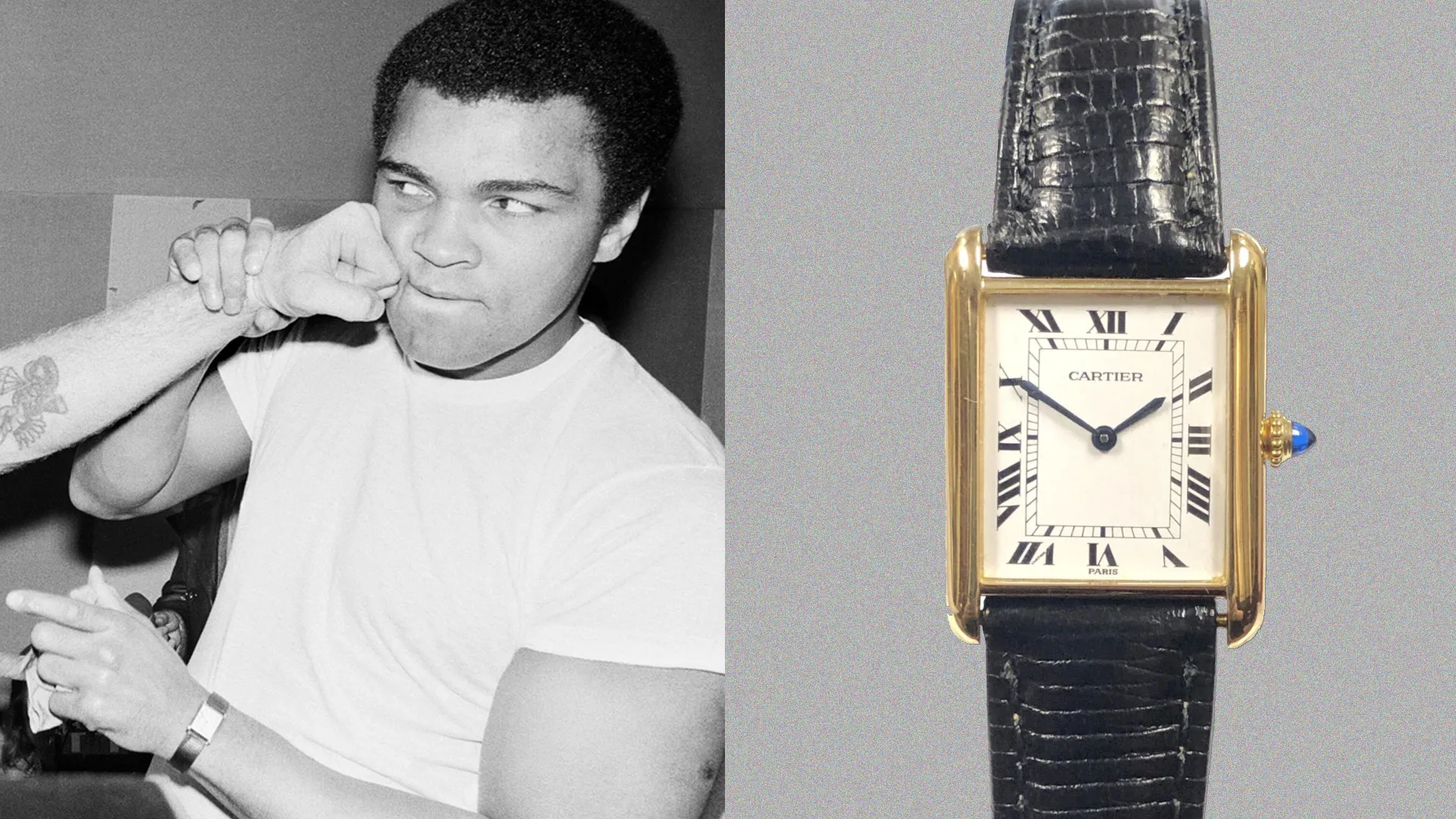
- Vintage Cartier watches and jewelry
- Especially pieces from the Art Deco era or iconic collections like the Panthère de Cartier.
- Example: A Cartier Tank watch from the 1920s can fetch tens of thousands of dollars at auction due to its historical significance and design.
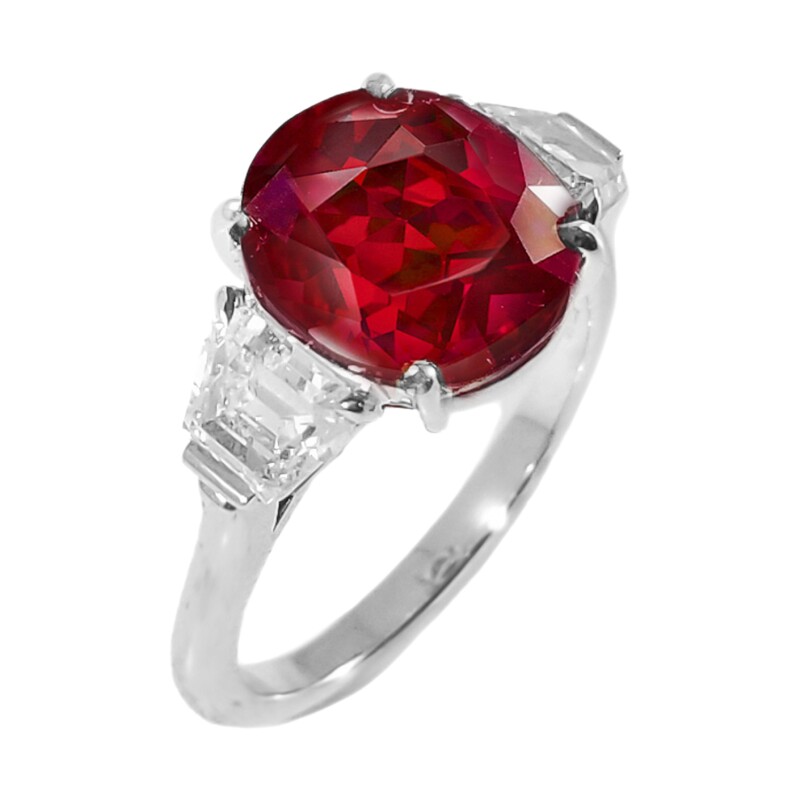
- Burmese Rubies
- Known for their unmatched color and rarity. Prices have surged in recent years.
- Example: A 5-carat untreated Burmese ruby ring has sold for over $500,000 at Sotheby’s.
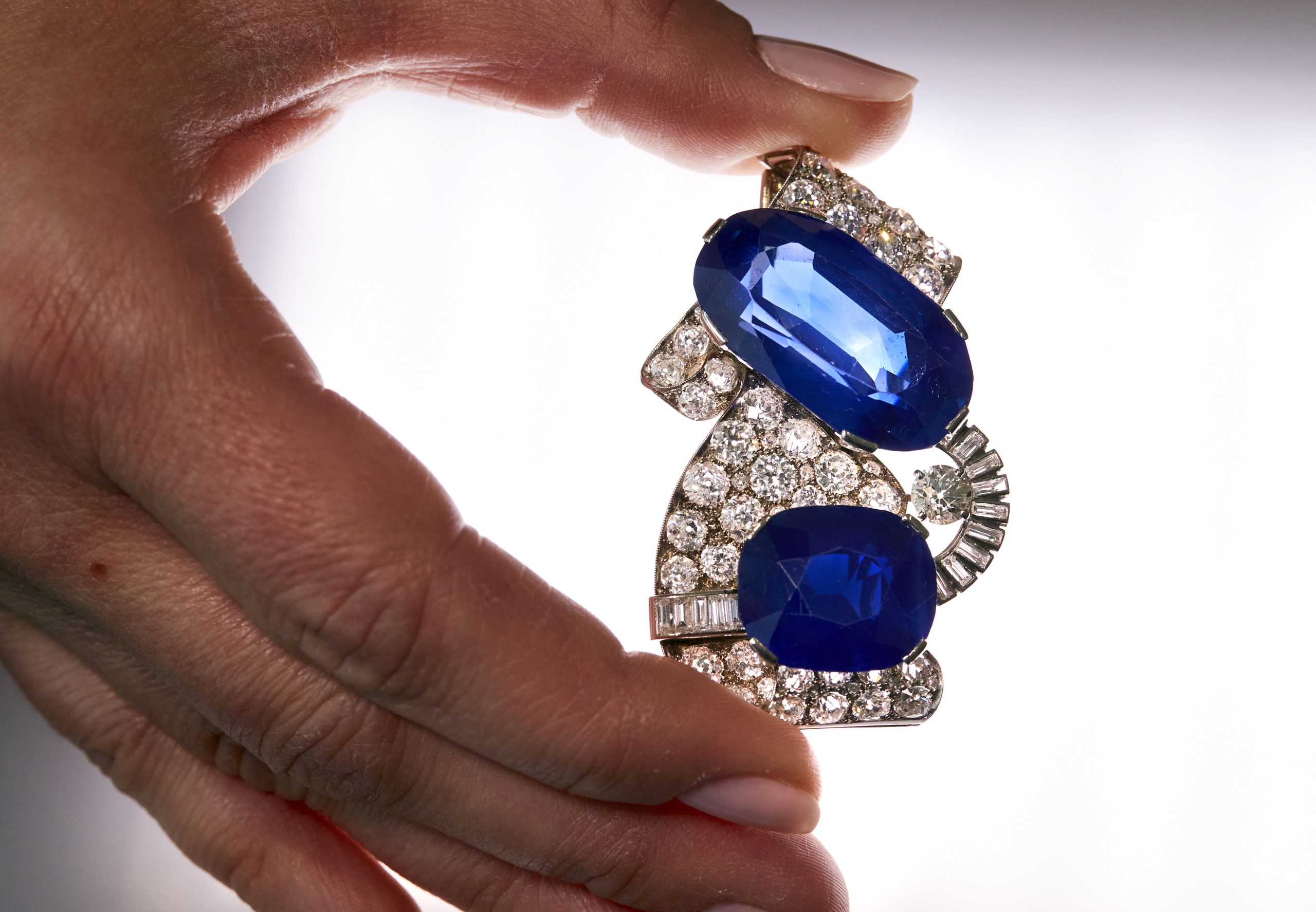
- Kashmir Sapphires
- These are among the rarest and most valuable sapphires in the world.
- Example: A Kashmir sapphire and diamond brooch once sold for over $1.3 million at Christie’s.
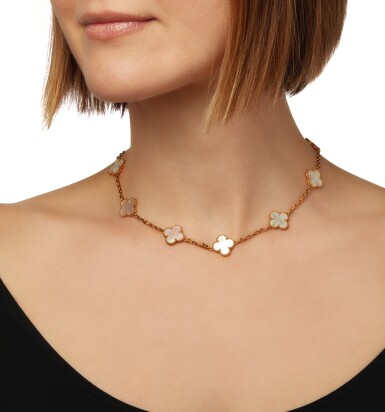
- Signed Pieces from Van Cleef & Arpels
- Particularly those featuring the Alhambra design or limited-edition collections.
- Example: A vintage Alhambra necklace with mother-of-pearl and yellow gold can appreciate 30-50% in value over a decade.
- Natural Fancy Colored Diamonds
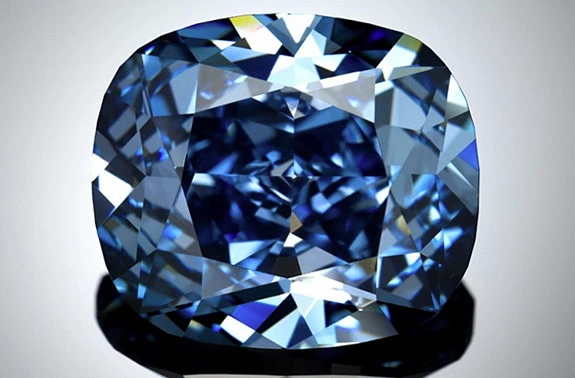
- Pink, blue, and yellow diamonds with GIA certification are highly sought after.
- Example: The 12-carat “Blue Moon Diamond” sold for over $48 million, demonstrating the explosive value of rare colored diamonds.
These items are not only beautiful but have historically demonstrated strong appreciation in value.
What amount of money is good to start with an investment in jewelry?
Contrary to popular belief, you don’t need millions to begin investing in jewelry. However, a realistic entry point is:
- Entry-level investment: $2,000 – $5,000
- High-quality gold pieces or small diamonds from reputable jewelers.
- Mid-range investment: $10,000 – $25,000
- Better-grade diamonds, signed pieces, vintage finds.
- High-end investment: $50,000 and up
- Rare gemstones, large high-quality diamonds, limited edition or antique jewelry.
The key is to research well, buy from reputable dealers, and focus on quality over quantity.
Final thoughts: a brilliant future
Investment jewelry uniquely blends beauty with financial potential. It’s a timeless asset that can preserve wealth, tell a story, and be worn with pride. Whether you’re a seasoned investor or someone looking to diversify beyond traditional markets, jewelry can be a rewarding and enriching choice.
Start small, think long-term, and above all, invest in pieces that not only promise a return but also bring you joy. After all, no stock certificate has ever looked good with an evening gown.