
Lab-grown diamonds – also called man-made, cultured, or synthetic diamonds – are real diamonds produced in a controlled lab environment. Using advanced technology, scientists replicate the natural conditions that form diamonds beneath the Earth’s surface. This is done through two methods: High Pressure High Temperature (HPHT) and Chemical Vapor Deposition (CVD). Instead of being mined, these diamonds are grown from a tiny carbon seed of an existing diamond. The result? A diamond with the same crystal structure, physical appearance, and chemical composition as a natural one.
Are Lab-Created Diamonds Real?
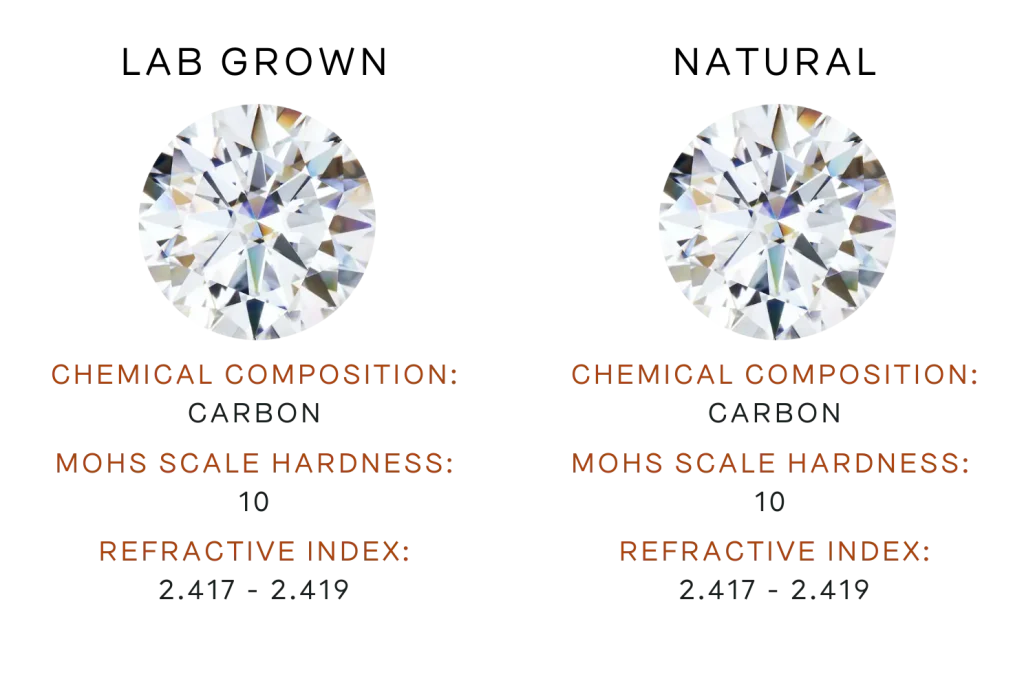
Yes, lab-grown diamonds are 100% real. They are identical in appearance, durability, and sparkle to mined diamonds. Even experts need specialized equipment to tell them apart.
Although lab diamonds have existed for decades, only recent advancements have made them high-quality and affordable enough for jewelry. Today, they’re a smart choice for many buyers—cheaper, ethical, and more sustainable than natural diamonds. Still, some remain unsure about their resale value or emotional appeal compared to natural stones.
Lab Grown vs. Natural Diamonds: What’s the Difference?
The differences lie in origin and price, not quality.
- Natural diamonds form over billions of years under the Earth’s crust.
- Lab diamonds form in a matter of weeks using HPHT or CVD technology.
Once cut and polished, both are physically and visually identical, but lab diamonds usually cost significantly less and have a lower environmental footprint.
Do Lab Diamonds Test as Real?
Yes. Lab-grown diamonds have the same chemical makeup as mined ones and will pass standard diamond testers. Only specialized gemological labs can distinguish them from natural diamonds.
Types of Lab-Created Diamonds
Lab-created diamonds fall into two main categories:
1. Simulant Diamonds
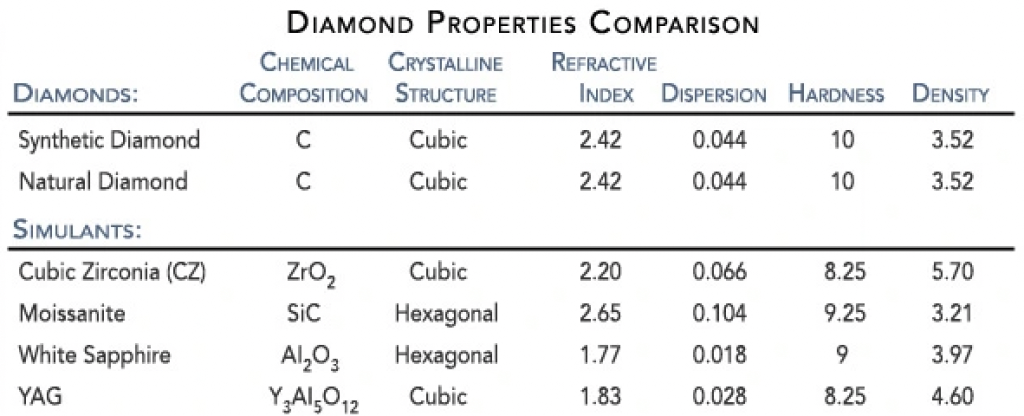
Simulants look similar to real diamonds but aren’t made of carbon and lack the same hardness or brilliance. They’re not actual diamonds.
- Diamond Nexus: Made from carbon blended with other materials. Extremely durable and comes with a lifetime guarantee.
- Cubic Zirconia (CZ): Made from zirconium dioxide. Affordable but less durable.
- Moissanite: Made from silicon carbide. Very tough, but its fiery brilliance makes it look different from real diamonds.
2. Cultured (Lab Grown) Diamonds
These are true diamonds, grown from carbon in a lab. They have the same physical and chemical properties as mined diamonds and are often laser-inscribed for identification.
- HPHT (High Pressure High Temperature): Recreates the intense heat and pressure found underground. This method uses one of three press types—belt, cubic, or split-sphere—to grow the diamond from a seed crystal.
- CVD (Chemical Vapor Deposition): Grows diamonds from carbon-rich gas inside a chamber. This method offers better control over purity and is ideal for both jewelry and industrial use.
Why Lab-Grown Diamonds Are Growing in Popularity
Lab diamonds are not a fad—they’re transforming the jewelry industry. Their rising popularity is backed by strong market growth:
- 2016 Sales: Under $1 billion
- 2022 Sales: Nearly $12 billion
- 2022 Market Value: $10.8 billion
- Expected 2032 Value: $20.6 billion
- Annual Growth Rate: 6.7% (2023–2032)
- 2023 Engagement Rings: 46% featured lab-grown diamonds
Consumers are drawn to lab diamonds for their affordability, sustainability, and ethical sourcing. As more people choose them over mined stones, lab-grown diamonds are quickly becoming the new standard in fine jewelry.
Summary
Lab-grown diamonds are real diamonds created in high-tech laboratories using either HPHT or CVD methods. They are physically, chemically, and visually identical to natural diamonds but are more affordable, ethically sourced, and eco-friendly.
There are two types:
- Simulants (look like diamonds but are made from different materials)
- Cultured diamonds (true diamonds grown from carbon)
Lab diamonds pass standard diamond tests and are virtually indistinguishable from mined diamonds without special equipment. With rising demand—especially for engagement rings—they’re becoming a popular and sustainable alternative in the jewelry market.
Frequently Asked Questions About Lab-Grown Diamonds
Are lab-grown diamonds real diamonds?
Yes, lab-grown diamonds are 100% real. They have the same physical, chemical, and optical properties as natural diamonds. The only difference is how they’re made—grown in a lab instead of mined from the Earth.
How are lab-grown diamonds made?
Lab diamonds are created using advanced technology that mimics how natural diamonds form underground. There are two main methods:
- HPHT (High Pressure High Temperature)
- CVD (Chemical Vapor Deposition)
Both methods grow diamonds from a small carbon seed in a controlled lab environment.
Can you tell the difference between lab and natural diamonds?
Not with the naked eye. Lab and natural diamonds look identical. Only specialized gemological equipment can detect subtle differences in origin.
Do lab-grown diamonds test as real diamonds?
Yes. Because they have the same chemical structure as natural diamonds, they will pass standard diamond testers.
Are lab diamonds cheaper than natural diamonds?
Yes. Lab diamonds typically cost 30% to 50% less than natural diamonds of the same size and quality, making them a smart choice for budget-conscious buyers.
Do lab-grown diamonds have resale value?
Lab diamonds may have limited resale value, especially compared to natural diamonds. However, their lower price point and ethical benefits often outweigh this for many buyers.
Are lab diamonds ethical and eco-friendly?
Absolutely. Lab-grown diamonds avoid the environmental damage and ethical concerns linked to traditional diamond mining. They are a sustainable and traceable alternative.
Can I get a lab-grown diamond engagement ring?
Yes! Lab-grown diamonds are an increasingly popular choice for engagement rings. In fact, 46% of engagement rings in 2023 featured lab diamonds due to their quality, price, and ethical appeal.
Do lab diamonds come with certifications?
Yes. Just like natural diamonds, lab-grown diamonds can be certified by independent gemological labs such as IGI or GIA, verifying their quality and grading.
Will people know my diamond is lab-grown?
Not unless you tell them! Lab diamonds are visually identical to mined diamonds and equally dazzling. If anything, people may be impressed by your smart, ethical choice.
Are there other lab-grown gemstones besides diamonds?
Yes, several popular gemstones are now available in lab-grown versions. These include sapphires, rubies, emeralds, Moissanite, and even alexandrite. Like lab diamonds, these stones are created in a lab to mimic the natural formation process and offer similar beauty, durability, and structure, often at a lower cost and with fewer environmental concerns.
Is it worth investing in lab-grown diamonds?
Lab-grown diamonds are a great value for personal use, especially for engagement rings and fine jewelry. They offer excellent quality at a lower price and align with ethical and environmental values. However, if you’re looking for financial return or long-term investment, natural diamonds generally retain value better. Lab diamonds have limited resale value due to their growing supply and changing market trends.
How can you tell if a diamond is lab-grown?
Lab-grown diamonds are indistinguishable from natural diamonds to the naked eye and standard jewelry tools. Only advanced gemological testing using spectroscopy or microscopic analysis can confirm a diamond’s origin. Most lab diamonds are also laser-inscribed with an ID number on the girdle, which identifies them as lab-created when viewed under magnification.